The Key Differences Between Conservatories And Orangeries

In the world of home improvements, one of the most popular additions for homeowners looking to expand their living space is a conservatory. For decades, conservatories have provided homeowners with a bright and airy space that offers a seamless connection between the indoors and outdoors. However, in recent years, the orangery has gained increasing attention as a superior alternative. For those who are considering replacing their conservatory, an orangery offers significant advantages in terms of insulation, aesthetics, and practicality.

In this article, we will explore the key differences between conservatories and orangeries, why an orangery is often a better choice for modern homeowners, and how upgrading to an orangery can reduce household bills through improved insulation and energy efficiency. Let’s dive into everything you need to know about replacing a conservatory with an orangery and transforming your home into a comfortable, energy-efficient, and stylish living space.

What is a Conservatory?

Before we explore the benefits of an orangery, it’s important to understand what a conservatory is. A conservatory is traditionally a glass extension attached to the side or back of a house, featuring large windows and a glass roof. Conservatories are designed to offer maximum light and views of the surrounding garden or outdoor area, making them perfect for those who want to bring the outdoors inside.

Conservatories became especially popular in the UK in the 1980s and 1990s when they were considered an affordable and straightforward way to extend the home. With their fully glazed structures, they allow natural light to flood the interior, creating a bright and spacious environment.

What is an Orangery?

An orangery is a more substantial and insulated type of extension that combines the best features of a conservatory and a traditional brick-built extension. Originally used in the 17th century by wealthy homeowners to grow citrus trees, orangeries have evolved into stylish and functional living spaces that blend seamlessly with the existing architecture of a home.

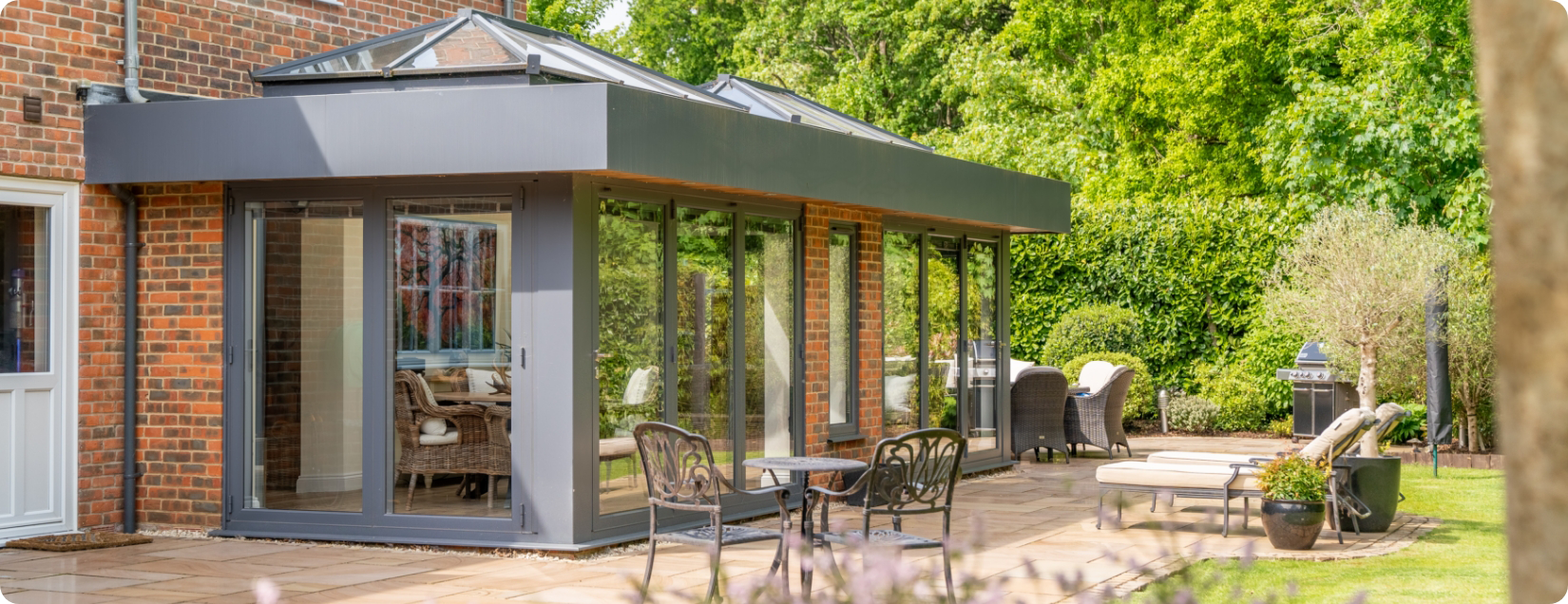
Unlike conservatories, which are predominantly glass structures, orangeries feature a mix of solid brick walls, large windows, and a partially glazed roof. This combination creates a more thermally efficient and robust structure that is suitable for use throughout the year. Orangeries often have a more permanent, “extension-like” feel, with plastered ceilings, integrated lighting, and high-quality flooring.

Key Differences Between a Conservatory and an Orangery

While both conservatories and orangeries are designed to extend living space and provide a connection to the outdoors, there are several key differences between the two that can influence a homeowner’s decision when choosing which option is best for their home.

  • Structure and Design

One of the most obvious differences between a conservatory and an orangery is the structure. Conservatories are primarily glass-based with minimal brickwork, which gives them a lightweight appearance. The roofs of conservatories are also mostly glass, providing maximum light but compromising on insulation.

In contrast, orangeries are more solidly constructed with brick pillars or walls and only a portion of the roof being glazed. The result is a more permanent and integrated design that feels like a natural extension of the home. Orangeries can be designed to match the architectural style of the existing house, ensuring a cohesive and attractive addition.

  • Insulation and Thermal Efficiency

One of the biggest disadvantages of a conservatory is its poor thermal efficiency. While the large glass panels allow for plenty of light, they also allow heat to escape easily in the winter and can cause the space to become unbearably hot in the summer. This means that many conservatories are not suitable for year-round use, limiting their practicality as a functional living space.

On the other hand, orangeries are designed with insulation in mind. The solid walls and roof sections of an orangery provide much better insulation, helping to regulate the temperature and make the space usable throughout all seasons. This improved insulation is one of the key reasons why many homeowners choose to replace their conservatory with an orangery.

  • Integration with the Home

While conservatories can feel somewhat detached from the rest of the house due to their lightweight construction, an orangery is designed to feel like a natural extension. The brickwork, solid roof, and customizable design options make it easier to match the style and materials of the existing house. As a result, an orangery often feels more like a permanent part of the home, rather than an add-on.

  • Light and Views

Both conservatories and orangeries allow for plenty of natural light, but in different ways. Conservatories are designed to maximize light, with fully glazed walls and roofs providing unobstructed views of the garden. However, this abundance of glass can sometimes create issues with overheating or glare.

Orangeries strike a balance between light and insulation. While orangeries typically feature large windows and roof lanterns to allow plenty of light, the solid walls and partially glazed roof help to reduce excessive heat and provide a more comfortable environment.

  • Usability Throughout the Year

Due to their poor insulation, conservatories are often unusable during extreme weather conditions, whether it’s the sweltering heat of summer or the freezing temperatures of winter. Homeowners often find themselves only using their conservatories during milder months, reducing the value of the space.

In contrast, the improved insulation and thermal efficiency of an orangery mean that it can be used comfortably all year round. This makes an orangery a more practical and versatile living space, whether it’s used as a dining area, a home office, or simply a place to relax and enjoy the view of the garden.

Why an Orangery is a Better Choice

Given the key differences outlined above, it’s clear that an orangery offers several advantages over a traditional conservatory. But what makes an orangery the better choice for modern homeowners? Let’s take a closer look at the specific benefits that an orangery can bring to your home.

  • Better Insulation and Comfort

One of the primary reasons homeowners choose to replace their conservatory with an orangery is the superior insulation. The combination of solid walls, brickwork, and a partially glazed roof means that orangeries are far more thermally efficient than conservatories. This makes an orangery comfortable and usable throughout the year, regardless of the weather outside.

With the right doors and windows, an orangery can achieve even better insulation. For example, choosing double or triple-glazed windows with low-emissivity (low-E) coatings can significantly improve the energy efficiency of the space, helping to keep heat in during the winter and prevent overheating in the summer. High-quality bifold or sliding doors can also contribute to better insulation while providing a stylish and functional way to open up the space to the garden.

  • More Durable and Long-Lasting

Due to their more solid construction, orangeries tend to be more durable and long-lasting than conservatories. The use of brick and other solid materials means that orangeries can withstand the elements better, making them a more robust and low-maintenance option. This increased durability adds to the value of your home, as an orangery is seen as a more permanent and high-quality extension than a conservatory.

  • A More Stylish and Customizable Design

While conservatories are often limited in terms of design options, orangeries offer a wide range of customization possibilities. Whether you prefer a contemporary style with sleek modern lines or a more traditional look that complements the architecture of your home, an orangery can be designed to suit your specific taste and needs.

Orangeries also provide more flexibility when it comes to interior design. With their plastered walls and ceilings, orangeries feel more like a traditional room, giving you the freedom to decorate and furnish the space in line with the rest of your home.

  • Increased Home Value

Because an orangery is seen as a more permanent and substantial extension, it can add significant value to your home. Potential buyers are likely to view an orangery as a desirable feature, as it offers the benefits of a conservatory with the added advantage of better insulation, durability, and usability.

According to some property experts, a well-designed orangery can add up to 10% to the value of your home, making it a worthwhile investment if you’re considering selling in the future.

  • Year-Round Use and Versatility

One of the main drawbacks of conservatories is their limited usability throughout the year. The poor insulation and temperature regulation mean that many homeowners find their conservatories too hot in the summer and too cold in the winter. This can limit the practicality of the space and reduce its overall value.

  • Improved Insulation with the Right Doors and Windows

One of the key factors in ensuring that your orangery is as energy-efficient and comfortable as possible is choosing the right doors and windows. While the solid walls and roof sections of an orangery already provide better insulation than a conservatory, the type of glazing you choose can make a big difference in the overall thermal performance of the space.

  1. Double or Triple Glazing

When replacing a conservatory with an orangery, it’s essential to choose high-quality glazing for the windows and doors. Double glazing is the minimum standard for most modern homes, but triple glazing can offer even better insulation, particularly in colder climates.

Double or triple-glazed windows feature two or three layers of glass with a layer of gas (usually argon) trapped between them. This creates a thermal barrier that helps to reduce heat loss in the winter and prevents the sun’s heat from entering in the summer. Low-E coatings can further enhance the energy efficiency of the glazing by reflecting heat back into the room while still allowing natural light to pass through.

  1. Bifold and Sliding Doors

Bifold and sliding doors are popular choices for orangeries because they allow for large openings that create a seamless connection between the indoor and outdoor spaces. However, it’s important to choose doors with high thermal performance to ensure that your orangery remains well-insulated.

Modern bifold and sliding doors are available with double or triple glazing, as well as thermal break technology, which helps to prevent heat transfer through the frames. By selecting energy-efficient doors, you can enhance the insulation of your orangery and reduce the amount of energy needed to heat or cool the space.

An Orangery: A True Extension of Your Home

One of the most significant advantages of an orangery over a conservatory is that it feels more like a true extension of your home. While conservatories often feel somewhat separate from the rest of the house due to their lightweight construction, an orangery is designed to blend seamlessly with the existing architecture.

The use of brick pillars, solid walls, and a partially glazed roof gives an orangery a more permanent and integrated appearance. The interior of an orangery can also be finished to match the rest of the house, with plastered walls, proper flooring, and integrated lighting. This creates a cohesive and continuous flow between the orangery and the main living areas, making it feel like a natural extension of the home rather than an add-on.

Reducing Household Bills by Replacing a Conservatory with an Orangery

One of the most compelling reasons to replace a conservatory with an orangery is the potential for reducing household bills. Conservatories are notorious for being energy inefficient due to their large glass panels, which allow heat to escape in the winter and cause overheating in the summer. This often leads to higher energy costs as homeowners rely on heating and air conditioning to maintain a comfortable temperature.

By upgrading to an orangery, you can significantly improve the energy efficiency of your home. The better insulation provided by the solid walls, roof, and high-quality glazing helps to regulate the temperature, reducing the need for heating in the winter and cooling in the summer. This can result in lower energy bills and a more sustainable home.

Additionally, modern orangeries are also designed with energy efficiency in mind, incorporating features such as energy-efficient glazing, underfloor heating, and LED lighting. These features can further contribute to reducing household bills and minimizing the environmental impact of your home.

Conclusion

Replacing a conservatory with an orangery is a smart investment for homeowners who want to create a more comfortable, energy-efficient, and stylish living space. With its superior insulation, durability, and customizable design options, an orangery offers numerous advantages over a traditional conservatory, making it a better choice for modern living.

By choosing the right doors, windows, and insulation materials, you can ensure that your orangery is usable all year round and contributes to lower household bills. Whether you’re looking to add value to your home, create a more versatile living space, or reduce your energy consumption, an orangery is the perfect solution for upgrading your conservatory and enhancing your home.

Visit our showroom

View some of the UK’s leading glazing products all under one roof at Rococo’s beautiful, Hampshire based showroom.

Get in touch today

Get in touch today for a comprehensive quote. Our dedicated team are on hand to take your vision and turn it into a tangible reality.

Stunning orangery with grey framework to the doors and windows and roof lanterns.